Dentro de las jerarquías de Cam House: cómo funcionan realmente los estudios con múltiples modelos en Chaturbate y LiveJasmin.
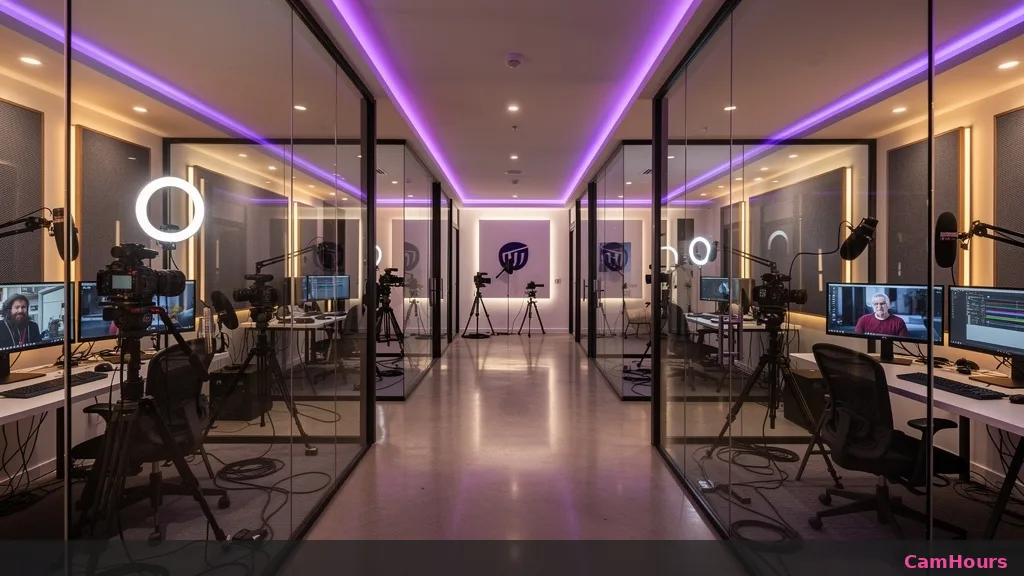
¿Conoces esas salas de cámaras elegantes con iluminación perfecta y montajes profesionales? Detrás de muchas de ellas hay estudios con múltiples modelos, negocios complejos que funcionan más como agencias de talentos combinadas con empresas tecnológicas. He pasado años observando cómo funcionan estas operaciones en Chaturbate y LiveJasmin, y la realidad es mucho más compleja de lo que la mayoría de la gente cree.
No se trata solo de espacios de oficina compartidos. Estamos hablando de organizaciones jerárquicas con estructuras de poder claras, métricas de rendimiento estrictas y modelos de ingresos que pondrían celoso a cualquier director financiero de una empresa de la lista Fortune 500. Todo el ecosistema genera miles de millones y da empleo a miles de personas en todo el mundo, pero investigaciones recientes han comenzado a desvelar cómo funcionan realmente estos estudios.
El panorama de los estudios multimodelo: comprender los fundamentos del negocio
Los estudios multimodelo son, en esencia, empresas de creación de contenidos que alojan, forman y gestionan a artistas de webcam en múltiples plataformas. Piensa en ellos como la columna vertebral de la infraestructura de la industria de las cámaras: proporcionan todo lo necesario, desde Internet de alta velocidad y equipos profesionales hasta apoyo en marketing y formación en interpretación.
Según un análisis reciente del sector (https://thefutureofthings.com/26995-10-best-cam-sites/), el mercado mundial de las cámaras web alcanzó aproximadamente los 1500 millones de dólares en 2021, con más de 8 millones de modelos activas en todo el mundo en 2023. ¿La tasa de crecimiento? Un sólido 11 % anual hasta 2026, con un aumento de las inscripciones de nuevas modelos de alrededor del 12 % cada año. Estamos hablando de un volumen de negocio considerable.
La mayoría de los estudios concentran sus operaciones en las dos grandes plataformas donde realmente fluye el dinero: Chaturbate y LiveJasmin. Hay una buena razón para este enfoque: Chaturbate controla alrededor del 40 % de la cuota de mercado según datos de 2023, mientras que LiveJasmin ofrece algunas de las tarifas por minuto más altas del sector. Los estudios saben dónde está su pan.
Modelos de estudio específicos de la plataforma
Aquí es donde se pone interesante. Chaturbate y LiveJasmin gestionan las colaboraciones con los estudios de forma completamente diferente, y eso determina cómo se desarrollan estas operaciones en el día a día.
El enfoque de Chaturbate es relativamente poco intervencionista. Tienen un programa de verificación de estudios, pero han dejado muy clara su postura: «NO son empleadores» de las modelos. Su política de 30 minutos fuera de pantalla es más flexible que la de otras plataformas y, básicamente, dejan que los estudios gestionen sus propias operaciones siempre que todos sigan las normas básicas de la plataforma.
LiveJasmin es más estricto. Tiene acuerdos exclusivos con estudios con requisitos y estándares de calidad específicos. Su reparto de ingresos tiende a ser más estructurado, con sistemas de porcentajes por niveles que recompensan a los estudios más grandes con mejores tarifas. Si tienes un estudio en LiveJasmin, debes seguir sus reglas, pero la recompensa puede merecer la pena.
El reparto de ingresos lo dice todo. Mientras que la mayoría de los sitios de cámaras ofrecen un 70-80 % a las modelos como norma, algunas plataformas solo comparten el 60 % de los ingresos cuando se trabaja a través de estudios. Los estudios negocian estas tarifas en función del volumen y los acuerdos de exclusividad, por lo que las operaciones más grandes tienen tanta ventaja.
La pirámide jerárquica del estudio: roles y estructuras de poder
Después de observar docenas de operaciones de estudio a lo largo de los años, la jerarquía es sorprendentemente consistente en todas las regiones y plataformas. Es una estructura piramidal que enorgullecería a cualquier consultor corporativo.
En la parte superior se encuentra el propietario del estudio o el superadministrador, que controla todo, desde la compra de equipos hasta los contratos de las modelos. No se trata solo de empresarios, sino que a menudo son emprendedores expertos en tecnología que entienden tanto la industria para adultos como el marketing digital.
- Propietario del estudio/superadministrador: control operativo completo y autoridad para tomar decisiones finales. 2. Gerentes del estudio: supervisión regional, contratación de modelos, gestión financiera. 3. Subgerentes: operaciones diarias, coordinación de horarios, resolución inmediata de problemas. 4. Formadores/monitores: incorporación de nuevos modelos, entrenamiento de rendimiento, soporte técnico.
- Personal de asistencia técnica: mantenimiento del equipo, resolución de problemas de streaming, actualizaciones de software.
Un ejemplo que me pareció especialmente revelador: High Society Models cuenta actualmente con 14 gerentes y 11 subgerentes. Se trata de una infraestructura organizativa considerable para lo que mucha gente considera un negocio informal.
Niveles de gestión y responsabilidades
Los directores de estudio se encargan de los aspectos generales: negociar las tarifas de la plataforma, expandirse a nuevos mercados, gestionar el flujo de caja. Son ellos quienes realizan inversiones de seis cifras en equipos y deciden si abrir nuevas ubicaciones.
Los coordinadores de modelos son los que realmente hacen el trabajo. Se encargan de la programación diaria, resuelven los conflictos entre los artistas y realizan un seguimiento de los ingresos y las métricas de rendimiento de todos. Estas personas suelen trabajar 12 horas al día, ya que el tráfico de las cámaras nunca duerme.
La otra noche estaba viendo la transmisión de germaine_jones y me di cuenta de lo bien que su equipo técnico gestionó un ajuste de iluminación en mitad de la transmisión.
Los equipos de asistencia técnica son héroes anónimos. Se encargan del mantenimiento del software de streaming, solucionan los problemas de audio y mantienen la estabilidad de las conexiones a Internet. Cuando la transmisión de una modelo se interrumpe en horas punta, son ellos quienes lo solucionan en menos de dos minutos.
Sistemas de apoyo y formación para modelos
La orientación de las nuevas modelos no es solo un rápido repaso del equipo. Los estudios profesionales imparten programas de formación de una semana de duración que abarcan desde los ángulos de cámara y la iluminación hasta las estrategias de interacción con el público y las características específicas de la plataforma.
El entrenamiento para las actuaciones es continuo. Los estudios realizan un seguimiento obsesivo de las métricas: propinas medias por hora, tasas de retención de espectadores, porcentajes de clientes habituales. Las modelos reciben evaluaciones semanales con objetivos de mejora específicos.
Existen vías de promoción profesional, aunque no siempre son evidentes. Las modelos de éxito pueden convertirse en formadoras, algunas pasan a desempeñar funciones de gestión y otras crean sus propios miniestudios con los conocimientos que han adquirido.
Modelos de ingresos y estructuras financieras: siguiendo el rastro del dinero
Hablemos de números, porque aquí es donde las operaciones del estudio se ponen realmente interesantes. El modelo estándar de reparto de ingresos ofrece a las modelos una retención del 70-80 %, mientras que los estudios se quedan con el 20-30 %, pero eso es solo la cifra principal.
Los estudios aplican tarifas adicionales que pueden afectar significativamente al salario neto. El alquiler del equipo puede costar entre 50 y 100 dólares semanales. Los gastos generales de Internet y servicios públicos se reparten entre las modelos. Las inversiones en marketing y promoción se deducen de los ingresos del estudio, pero las modelos se benefician de una mayor visibilidad.
La transparencia financiera varía enormemente entre las distintas operaciones. Los mejores estudios proporcionan informes detallados de las ganancias diarias y desgloses claros de las tarifas. ¿Operaciones poco claras? A veces, las modelos no conocen sus ganancias reales hasta el día de pago.
Comparación de la distribución de ingresos de las plataformas
La retención del 60 % de modelos de Chaturbate a través de los estudios está por debajo de la media del sector, pero el enorme volumen de tráfico de la plataforma suele compensarlo. Las modelos con mejor rendimiento siguen ganando más en Chaturbate que en plataformas más pequeñas que ofrecen mejores porcentajes.
El sistema de porcentajes por niveles de LiveJasmin recompensa la fidelidad y el volumen. Los nuevos estudios pueden empezar con tarifas estándar, pero las operaciones consolidadas con acuerdos exclusivos pueden negociar acuerdos significativamente mejores. Según se informa, algunos estudios importantes se quedan solo con el 15 %, mientras que dan a las modelos el 85 %.
Los estudios aprovechan su volumen para negociar mejores tarifas en la plataforma que las que podrían conseguir los modelos individuales. Un estudio que factura 100 000 dólares al mes con varios artistas tiene un gran poder de negociación.
Costes ocultos y tarifas adicionales
El alquiler de equipos abarca mucho más que las cámaras. Los equipos de iluminación profesionales cuestan miles de dólares y los estudios se actualizan periódicamente para mantener una calidad de vídeo competitiva. Equipos de audio, fondos, vestuario... todo suma.
Los gastos generales de Internet y los servicios públicos son considerables, pero a menudo se pasan por alto. Los estudios necesitan conexiones de nivel empresarial con múltiples opciones de respaldo. El consumo de energía de docenas de ordenadores de alta gama y sistemas de iluminación genera facturas mensuales muy elevadas.
Las inversiones en marketing y promoción incluyen publicidad en plataformas, gestión de redes sociales y optimización SEO para los perfiles de las modelos. Los buenos estudios gastan miles de dólares al mes en promoción, dinero que las modelos individuales rara vez invierten en sí mismas.
Potencias geográficas: operaciones de estudios regionales
Latinoamérica domina las operaciones de los estudios a nivel mundial, y hay una razón clara: la combinación de una economía favorable, una sólida infraestructura de Internet y actitudes culturales que consideran el trabajo con cámaras web como un empleo legítimo.
Colombia se ha convertido en el centro indiscutible de las operaciones de los estudios, con importantes concentraciones en Bogotá y Medellín. Al conducir por estas ciudades, verás anuncios de estudios en vallas publicitarias y oficinas de contratación en los distritos comerciales. Es una actividad económica muy extendida.
Sin embargo, investigaciones recientes han puesto de relieve las operaciones colombianas. El informe de Human Rights Watch de diciembre de 2024 documentó graves abusos laborales, incluyendo exigencias laborales excesivas y contratos abusivos.
Las redes de estudios de Europa del Este funcionan de manera diferente: suelen ser operaciones más pequeñas y especializadas que se centran en mercados premium y tarifas por minuto más altas. Se dirigen a plataformas con un público occidental acomodado dispuesto a pagar mucho dinero por contenidos de calidad.
Ecosistema de estudios colombianos
Los principales grupos de estudios de Bogotá y Medellín emplean a miles de artistas y personal de apoyo. Algunas instalaciones albergan más de 100 salas de transmisión individuales con equipos de calidad profesional.
Los retos normativos son cada vez mayores. Las recientes conclusiones de Human Rights Watch documentaron prácticas laborales preocupantes, como el hecho de que los estudios exijan a las modelos trabajar un número determinado de horas con un tiempo mínimo de descanso.
haleycrazy opera desde lo que parece ser un estudio profesional colombiano, a juzgar por la calidad constante de sus transmisiones y la rotación profesional del fondo.
Las prácticas laborales varían considerablemente entre los estudios. Las mejores empresas tratan a los artistas como contratistas independientes con horarios flexibles. Los estudios problemáticos imponen horarios rígidos y sanciones económicas por ausentarse de las cámaras.
Infraestructura tecnológica y gestión de operaciones
Los requisitos técnicos para el funcionamiento de un estudio profesional son considerables. No basta con disponer de Internet de alta velocidad, sino que se necesitan conexiones de nivel empresarial con múltiples copias de seguridad redundantes. Una sola interrupción de la transmisión durante las horas punta puede suponer una pérdida de ingresos de cientos de dólares.
Los estándares de iluminación y equipos de cámara profesionales han evolucionado rápidamente. Los estudios invierten entre 2000 y 5000 dólares por cada configuración de transmisión y actualizan cada 12-18 meses para seguir siendo competitivos. Las cámaras 4K se están convirtiendo en el estándar y algunos estudios están experimentando con resoluciones más altas.
El software de streaming se ha vuelto cada vez más sofisticado. La transmisión multiplataforma permite a los estudios transmitir simultáneamente a múltiples sitios, maximizando el alcance de la audiencia. Los sistemas de control de calidad supervisan la estabilidad de la transmisión y cambian automáticamente a conexiones de respaldo cuando es necesario.
Normas y especificaciones del equipo
Los requisitos mínimos de calidad de cámara para las plataformas de primer nivel exigen ahora 1080p como base, y 4K se está convirtiendo en la opción preferida para el posicionamiento premium. Los estudios suelen estandarizar modelos de cámara específicos para garantizar la coherencia y obtener ventajas en las compras al por mayor.
Las configuraciones de iluminación requieren una iluminación profesional de tres puntos con temperatura de color ajustable. Las consideraciones sobre el fondo incluyen tanto el atractivo visual como las propiedades acústicas: la calidad del sonido es tan importante como la claridad del vídeo.
Los equipos de audio suelen pasar desapercibidos para los principiantes, pero los estudios profesionales invierten mucho en la cancelación del ruido y la captación clara de la voz. Un audio deficiente mata el interés de los espectadores más rápido que una calidad de vídeo mediocre.
| Categoría de equipo | Estándar de estudio | Modelo individual | Diferencia de coste | |-------------------|-----------------|-----------------|-----------------| | Configuración de la cámara | 4K multiángulo | Cámara web 1080p | 5 veces más caro | | Iluminación | Profesional de 3 puntos | Luz anular básica | 10 veces más caro | | Audio | Micrófono con calidad de retransmisión | Audio integrado en la cámara | 8 veces más caro | | Internet | Copia de seguridad empresarial | Conexión residencial | 3 veces más caro |
Retos normativos y escrutinio del sector
El año 2024 marcó un punto de inflexión en el escrutinio de la industria. La investigación de Human Rights Watch no solo documentó problemas aislados, sino que reveló problemas sistemáticos en múltiples países y plataformas.
Las respuestas de las plataformas han sido dispares. Algunos sitios web han implementado políticas de supervisión de los estudios más estrictas, mientras que otros se han centrado en distanciarse de las relaciones laborales. Según un reportaje de investigación, las plataformas parecían más centradas en evitar responsabilidades que en abordar el bienestar de las modelos.
El cumplimiento normativo varía considerablemente según la jurisdicción. Las autoridades colombianas han comenzado a investigar las infracciones laborales, mientras que los reguladores europeos están examinando cuestiones relacionadas con el cumplimiento de las obligaciones fiscales y la clasificación de los trabajadores.
Investigaciones y revelaciones recientes
El informe de Human Rights Watch destacó específicamente los estudios con tolerancia cero hacia las políticas de 15 minutos de tiempo fuera de cámara. Tres de las cuatro principales plataformas analizadas habían publicado políticas que detallaban estrictos requisitos de tiempo de pantalla.
Las políticas de la plataforma sobre la supervisión de los estudios siguen siendo inconsistentes. Chaturbate reconoció la importancia de abordar los abusos laborales, pero aclaró que no se consideran empleadores. Otras plataformas han implementado procesos de verificación mejorados para las asociaciones con estudios.
La documentación sobre infracciones laborales incluye pruebas de requisitos mínimos de 12 horas de trabajo, sanciones económicas por descansos y contratos que favorecen en gran medida los intereses del estudio frente a los derechos de los artistas.
Respuesta de la plataforma y cambios en la política
La postura de Chaturbate sobre las relaciones laborales en los estudios hace hincapié en su papel como proveedor de la plataforma, más que como empleador. Han mantenido su política de 30 minutos fuera de pantalla, mientras que otras plataformas aplican requisitos más estrictos.
LiveJasmin ha mejorado los procesos de verificación de estudios en respuesta a la presión regulatoria. Las nuevas asociaciones con estudios ahora requieren documentación adicional y certificaciones de cumplimiento.
Las adaptaciones de las políticas en todo el sector se han centrado más en la protección de la responsabilidad civil que en mejoras laborales sustantivas, según los grupos de defensa que supervisan la situación.
El futuro de los estudios multimodelo: tendencias y predicciones
Las tendencias de modelos independientes están ganando impulso, pero la dependencia de los estudios persiste debido a barreras técnicas. Según encuestas del sector, el 45 % de las modelos de webcam prefieren trabajar desde casa, citando la comodidad y la privacidad como factores principales.
Los avances tecnológicos están reduciendo algunas de las ventajas tradicionales de los estudios. La estabilización de vídeo mejorada con IA, la sincronización entre múltiples dispositivos y la mejora de la infraestructura de Internet doméstica hacen que las operaciones independientes sean más viables que nunca.
Las presiones normativas están remodelando los modelos de negocio en todo el sector. Los estudios se están adaptando para evitar ser clasificados como empleadores tradicionales, al tiempo que mantienen el control operativo y los acuerdos de reparto de ingresos.
Echa un vistazo a smoothnesss para ver un ejemplo de lo que parece ser una operación independiente con valores de producción de calidad profesional.
La consolidación del mercado parece inevitable, ya que los estudios más grandes adquieren operaciones más pequeñas y se expanden internacionalmente. Las principales redes de estudios están desarrollando modelos de franquicia para ampliar sus operaciones y mantener la gestión local.
Preferencias de modelos independientes frente a modelos de estudio
Las diferencias regionales en las preferencias de las modelos reflejan la realidad económica y la disponibilidad de infraestructuras. Las modelos latinoamericanas suelen preferir los estudios por el acceso al equipo y el apoyo en marketing, mientras que las modelos norteamericanas y europeas se inclinan por trabajar de forma independiente.
Las barreras técnicas que impulsan la dependencia continua de los estudios incluyen las limitaciones de la infraestructura de Internet, los costes de los equipos y los requisitos de experiencia en marketing. Los estudios profesionales resuelven estos problemas, pero a costa de compartir los ingresos.
Es probable que en el futuro surjan modelos híbridos en los que los artistas mantengan su independencia y accedan a los servicios del estudio mediante el pago de una tarifa por servicio, en lugar de acuerdos de reparto de ingresos.
Mira, el panorama de los estudios multimodelo está evolucionando rápidamente. Investigaciones recientes han sacado a la luz graves problemas que no se pueden ignorar, pero los estudios también aportan un valor genuino gracias a su equipamiento profesional, su experiencia en marketing y su soporte técnico, algo que los artistas individuales tienen dificultades para igualar.
Las propias plataformas están caminando por la cuerda floja: se benefician enormemente del contenido y los ingresos generados por los estudios, pero intentan eludir la responsabilidad por las prácticas laborales y las condiciones de trabajo. Esa tensión no es sostenible a largo plazo.
Lo que estamos viendo es una industria en una encrucijada. Las mejores regulaciones, la tecnología mejorada para los creadores independientes y la creciente conciencia sobre las cuestiones laborales están impulsando modelos de negocio más éticos y sostenibles. Los estudios que se adapten prosperarán; los que no lo hagan se enfrentarán a una presión regulatoria cada vez mayor y a la deserción de los artistas.
¿La pregunta del millón? Si la industria puede reformarse por sí misma o si la presión externa obligará a cambios más drásticos. Según lo que he observado, probablemente asistiremos a una transformación significativa en los próximos años, y eso podría no ser malo para nadie.

Alex has been covering the webcam and adult entertainment industry since 2019. With over five years of hands-on experience across every major cam platform, he writes in-depth guides, data-driven analyses, and honest reviews for CamHours.com. When he's not testing new features or crunching viewer stats, you'll find him arguing about streaming tech on Reddit.